While often filled with excitement and joy, the holiday season can also bring feelings of stress, overwhelm, and fluctuating emotions. During this time, it is not uncommon for children and adults to become emotionally dysregulated. As families navigate this year’s winter season, here are some tips and strategies for healthy emotional regulation.
- Quiet Time and Space: Holiday breaks allow for family time and connection. While this time is great for bonding and family activities, it can also be beneficial to prepare quiet time and space for everyone in the family. The following are ways to implement this during winter breaks.
• Create a “calm corner” for children to go to when experiencing distressing emotions
• Have fidgets or others items available for sensory needs.
• Establish and reinforce open communication for discussing emotions, needs, and supporting emotional regulation. - Establish a “Holiday Schedule”: Routines are ever important for our mental and emotional well-being. During the holiday season, breaks and changes in schedule can make the world feel very inconsistent. Establishing a holiday routine and sharing this routine with your children can help establish a sense of consistency and safety.
- Use Coping Strategies: We all need coping skills for when difficult emotions arise. Having ready-to-go coping skills can be especially helpful during the holiday season. Here are some strategies you can guide children through, practice yourself, or utilize as a family.
• Box Breathing: Inhale slowly through your nose for 4 seconds. Then, hold your breath for another count of 4 seconds. After holding, slowly exhale through pursed lips for 4 more seconds. Hold for a count of four after the exhale and repeat as many times as comfortable.
• Guided Imagery: Close your eyes and picture a favorite memory, place, or activity that brings you calm feelings. This may be a warm day at the beach or a sunny afternoon hiking. Notice all of your senses and be aware of your body as you inhale and exhale slowly.
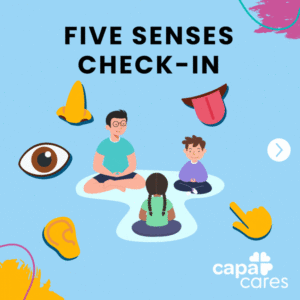
• 54321: Take some deep breaths and look around your surroundings. Name 5 things you can see, 4 things you can feel, 3 things you can hear, 2 things you can smell, and 1 thing you can taste. Notice how you feel after naming these observations. - Engage in Arts and Activities: Art, music, and other forms of expression can help regulate our nervous systems during times of fluctuating emotions. It may be beneficial to allot time for painting, drawing, and listening to music. For younger kiddos, this may look like time allotted for child-led play. Art and play are great means for expressing emotional experiences and enabling creativity. Winter themed projects can be a great way to bring holiday fun into emotional regulation.
- Movement: It can be much more difficult to engage in physical exercise during the cold, wintery months. Preparing some options for physical activity and movement can be beneficial for emotional regulation. When the temperatures are safe, sledding, skating, and getting outside to play in the snow are all great ways to move on these chilly days.